Spokane Valley top Plumber Providing Fast and Reliable Service
Spokane Valley top Plumber Providing Fast and Reliable Service
Blog Article
Pure and Clean: The Value of Water Cleaning Systems
Access to pure and safe water is a fundamental need. Many households overlook the potential contaminants lurking in their tap water. Heavy metals, bacteria, and chemicals can pose major health risks. Water purification systems offer a solution by thoroughly removing these impurities. However, understanding the various options available and their environmental impact is important. What factors should one take into account when selecting the appropriate system for their home? The answers may surprise you.
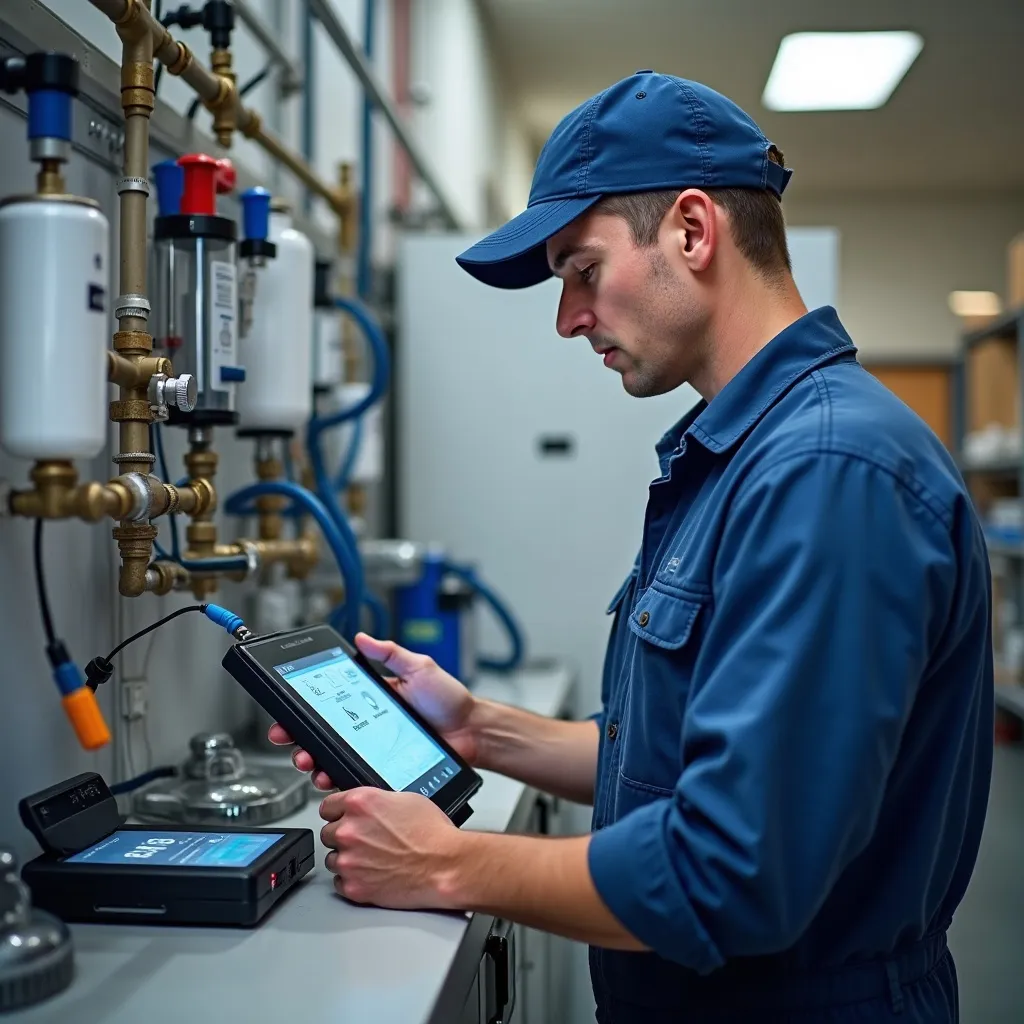
What dangerous elements Are concealed in Your Water?
What hidden hazards hide within daily water supplies? Many individuals remain unaware of the potential pollutants that may damage their wellbeing. Common pollutants include heavy metals such as lead and arsenic, which can leach into water systems from aging infrastructure or industrial runoff. Microbial threats, such as bacteria and viruses, often originate from agricultural runoff or inadequate sanitation practices. Additionally, chemical contaminants like pesticides and pharmaceuticals are frequently detected, arising from agricultural activities and improper disposal methods.
Chlorine and chlorine by-products, employed in the disinfection process, can also create hazards, leading to long-term health issues. Moreover, emerging contaminants such as microplastics have become an increasing worry, as they persist in water sources and may be ingested through consumption. Awareness of these hidden dangers is vital, prompting the need for effective water purification systems to protect community wellness and guarantee safe drinking water.
Learning about How Water Purification Functions
Grasping how water purification operates entails studying various methods applied to extract pollutants. Filtration systems, chemical procedures, and ultraviolet treatment each have a vital role in maintaining water standards and protection. By delving into these methods, one can recognize the challenges of successful water purification systems.
Learn About Filtering Techniques
How do different purification techniques contribute to water quality improvement? Purification techniques are crucial in eliminating impurities from water, guaranteeing its safety for consumption. Mechanical filtration uses physical barriers, such as screens or membranes, to catch particles and sediment. Carbon filtration systems effectively adsorb organic compounds and chlorine, improving taste and odor. Reverse osmosis utilizes a semi-permeable membrane to eliminate dissolved solids, bacteria, and viruses, providing highly purified water. Additionally, ceramic filters can trap microorganisms, adding another layer of protection. Each method varies in efficiency and application, often merging to enhance overall purification effectiveness. By learning about these filtration methods, individuals can make informed choices in selecting appropriate water purification systems for their needs.
Chemical Refinement Techniques
Chemical treatment processes transform contaminated water into safe drinking water through various techniques that focus on specific pollutants. These methods often include the addition of chemical agents, such as chlorine or ozone, to remove dangerous microorganisms and pathogens. Coagulation and flocculation are other key processes, where chemicals are added to combine smaller particles into larger aggregates, making easier their removal. Additionally, advanced oxidation processes utilize reactive species to break down organic contaminants. Ion exchange systems can effectively remove heavy metals and other ionic pollutants by swapping unwanted ions with less harmful ones. Overall, chemical purification plays an essential role in guaranteeing water safety, providing an important barrier against various contaminants that may compromise public health.
UV Treatment Benefits
Following chemical purification techniques, UV application offers a different methodology to maintaining water safety. This system utilizes ultraviolet light to eliminate harmful microorganisms, including bacteria, viruses, and protozoa. By interfering with the DNA of these pathogens, UV treatment proficiently prevents their reproduction and renders them harmless. One of the key advantages of this system is its speed; water is purified instantly as it flows through the UV chamber. Additionally, UV treatment does not introduce any chemicals or modify the water's taste or odor, rendering it an appealing choice for many households. It calls for minimal maintenance and operates efficiently, often in conjunction with other purification methods, optimizing overall water quality and safety without the use of harmful substances.
Why Robust Water Cleaning Proves Vital for Our Environment
Effective water purification is necessary for sustaining environmental health, as it profoundly affects ecosystems and human communities alike. Contaminated water sources can lead to adverse outcomes on wildlife, breaking food chains and diminishing biodiversity. Pollutants such as heavy metals, chemicals, and pathogens can permeate natural habitats, menacing aquatic life and compromising the integrity of ecosystems.
In addition, clean water is required for farming, as polluted sources can harm agricultural production and soil integrity. In developed regions, competent water treatment systems guarantee that communities have access to quality drinking water, lowering health concerns associated with waterborne diseases.
Which Water Purification System Is Ideal for You?
Choosing the best water purification system is influenced by numerous factors, including the exact contaminants present and the intended use of the water. For households, typical options include activated carbon filters, reverse osmosis systems, and UV purifiers. Activated carbon filters efficiently remove chlorine, sediment, and some volatile organic compounds, making them suitable for improving taste and odor. On the other hand, reverse osmosis systems are more extensive, removing a broader array of contaminants, such as heavy metals and salts, which is perfect for hard water areas. UV purifiers, though ineffective against chemical pollutants, are highly effective at eliminating pathogens, making them a smart choice for well water users. For industrial or large-scale uses, more advanced systems such as multi-stage filtration or distillation may be required. In the end, understanding unique water quality needs and usage patterns guides in selecting the most suitable purification system.
How to Choose the Correct Water Purification System
What is the best way to choose the most appropriate water purification system for your requirements? First, an assessment of water quality is crucial. Analyzing for contaminants such as bacteria, heavy metals, and chlorine will guide the selection process. Next, taking into account the volume of water required daily is vital; some systems are suited to small households, while others are designed for larger demands.
Yet another consideration to examine is the preferred treatment system, review article whether it be reverse osmosis, UV filtration, or activated carbon. Each method has its strengths and limitations, affecting overall effectiveness and operational needs. Budget also plays a significant part; systems span widely in pricing, both initial and in daily running expenses.
Finally, reviewing warranties and customer support options can offer understanding into the reliability of a product. By carefully evaluating these factors, an informed decision can be reached, ensuring safe and clean water access.
Maintenance Suggestions for Your Water Purification System
Proper maintenance is essential for ensuring the efficiency of water purification systems. Regular filter replacement and routine system cleaning play critical roles in maintaining water quality and prolonging the lifespan of the equipment. Adhering to these practices helps avoid issues that could undermine the system's effectiveness.
Standard Filter Replacement
It is important to replace filters regularly to keep an effective water purification system. Filters are essential in eliminating contaminants and making sure the water is safe for consumption. Over time, filters collect impurities, which can reduce their capacity and compromise water quality. The manufacturer’s instructions generally advise replacement every six months to a year, based on usage and water quality. Failure to do this upkeep can cause decreased flow rates and bacteria development. Regularly assessing the filter and maintaining a replacement schedule not only improves the system’s performance but also ensures the health of those using purified water.
Periodic System Care
Maintaining a water filtration device involves more than just replacing filters; regular cleaning of the system is just as essential for peak performance. Over time, contaminants may build up in the system, influencing water quality and flow rates. Frequent wiping of external surfaces and internal components, such as tanks and tubing, helps prevent build-up and guarantees efficient operation. It is advisable to follow the manufacturer’s guidelines for cleaning protocols and frequency. Additionally, checking for leaks and maintaining proper connections can help avoid potential issues. Scheduling routine maintenance not only extends the lifespan of the system but also improves water purity. Ultimately, a well-maintained purification system provides consistent access to safe, clean water for all users.
Perks of Selecting a Home Water Treatment System
Acquiring a home water treatment system can substantially elevate the excellence of drinking water, particularly in regions where municipal supplies may harbor contaminants. These systems proficiently remove impurities such as chlorine, heavy metals, and harmful bacteria, assuring safer and healthier water for use.
Home purification systems often lead to improved taste and odor, making drinking water more appealing for families. They can also contribute to the durability of home devices by preventing mineral buildup, which can cause damage over time.
Furthermore, implementing such a system can be cost-effective in the long run, reducing the need for bottled water and minimizing plastic waste.
Furthermore, having access to purified water promotes improved fluid intake, which is vital for overall health. To conclude, a home water purification system not only enhances water quality but also provides financial, ecological, and wellness benefits, making it a valuable purchase for any household.
Questions Commonly Posed
How Frequently Do I Need to Replace My Water Purification System Filters?
Filters in a water purification system should typically be replaced every half a year to one year, depending on usage and water quality. Regular maintenance guarantees peak performance and clean water for households.
Can Water Purification Systems Dispose of All Categories of Bacteria?
Water cleaning systems can efficiently take out many kinds of bacterial organisms, but not all. The efficacy depends on the system's mechanical components, filter specifications, and servicing schedules, emphasizing the need for selecting an appropriate purification method for distinct impurities.
Do Water Purification Systems Discard a Lot of Water?
Water purification systems can lose a notable amount of water, notably reverse osmosis systems. The waste varies by model, but on average, they may eliminate three to four gallons for every gallon of purified water produced.
What Wellness Threats Exist With Unfiltered Tap Water?
Untreated water straight from the tap may create potential health issues, including exposure to pollutants like lead, bacteria, and pesticides. Susceptible populations, such as children and the elderly, confront heightened risks from these toxic pollutants in consumable water.
What Is the Cost of a Quality Water Filtration Unit?
A high-grade water purification unit typically runs between $200 and $2,000, subject to the type and features. Installation and repairs may supplement the overall expense, dictating the total outlay for homeowners.
Report this page